
Leamington's History
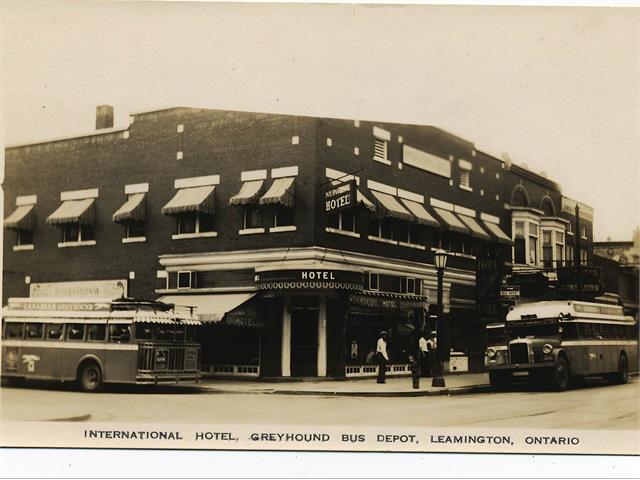
Leamington’s history reflects its agricultural roots, waterfront location and community growth. Incorporated as a village in 1874 and a town in 1890, Leamington amalgamated with Mersea Township in 1999 to form today’s municipality. Known as the “Tomato Capital of Canada,” Leamington is home to a thriving agricultural and greenhouse sector, diverse local businesses and natural attractions, including Point Pelee National Park.
| Year or period | Key developments |
|---|---|
| 17th century | French voyageurs and missionaries explored the area, using Point Pelee as a prominent landfall. |
| 1792 | Mersea Township was surveyed and named after Mersea Island in Essex County, England. |
| 1835 | Charles Stewart, Phillip Fox and Thomas Whittle established a settlement on the Mersea-Gosfield Townline. Around the same time, Alex Wilkinson began farming along what is now Erie Street. The nearby settlement became known as Wilkinson’s Corners. |
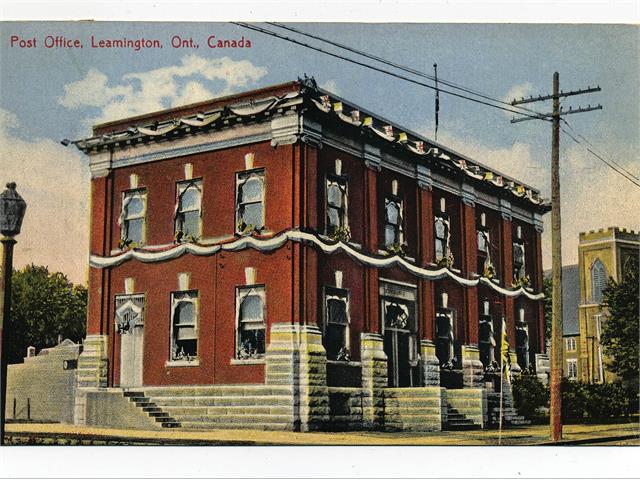
| Early settlement | A store, post office and tavern served travellers along Talbot Road. A grist mill and later a sawmill were built along Hillman Creek to support local farming and construction. |
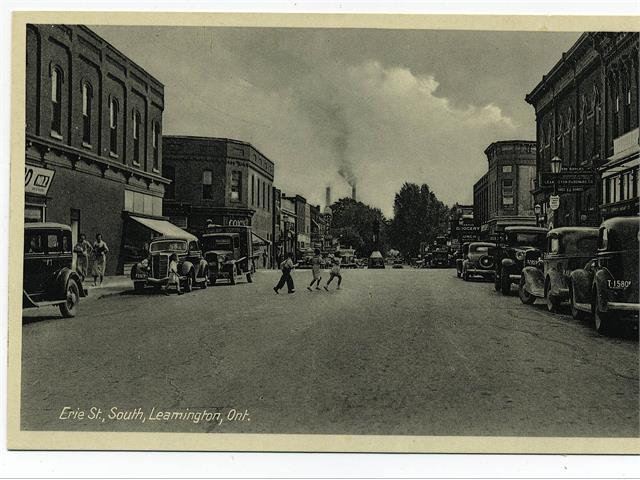
| 1845–1850 | Eli Deming opened a store near Wigle’s tavern. Trade concentrated at the intersection of Talbot Road and Mersea Sideroad, now Erie Street. Mersea Township elected its first municipal council in 1850. |
| 1854 | A post office opened under the name Gainesborough. To avoid duplicating another post office’s name, the community was renamed Leamington, after Mr. Gaines’ hometown in England. |
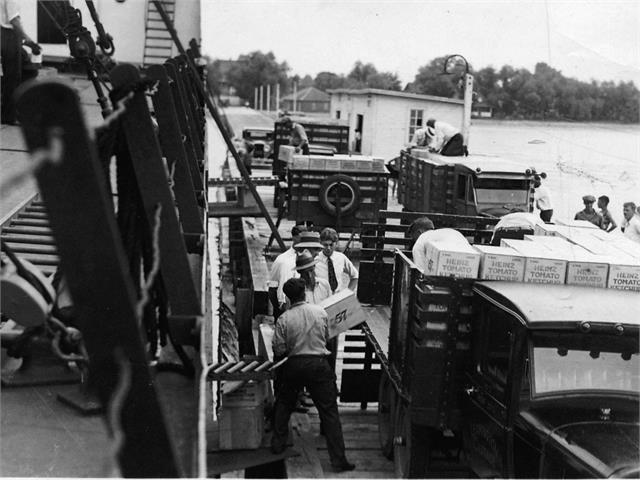
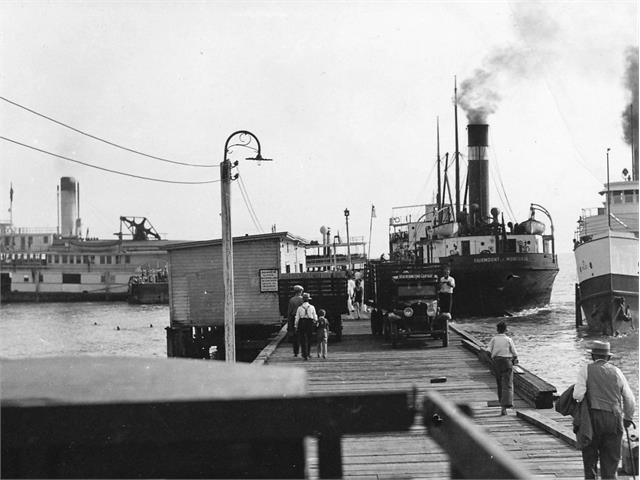
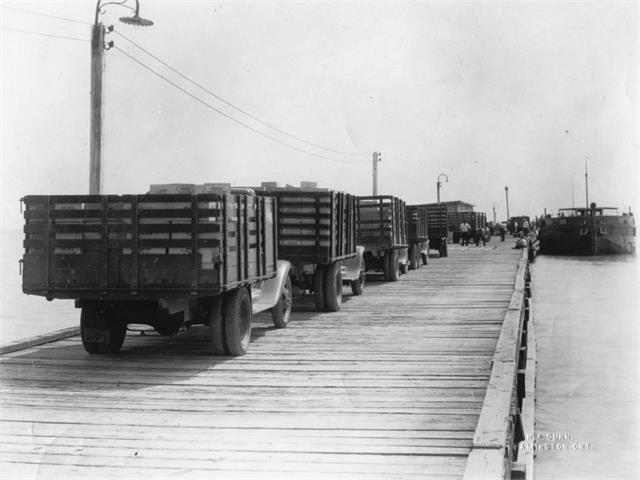
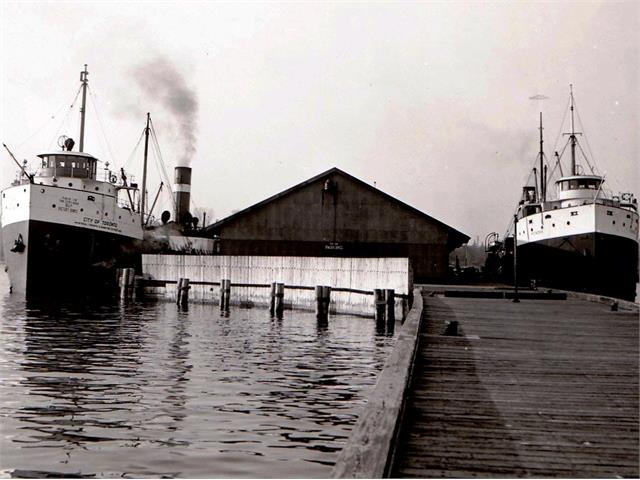
| 1858–1869 | Leamington’s population reached 75 in 1858. Regular stagecoach service to Windsor began in 1860, and Scott’s Dock opened in 1869. Additional docks supported shipments of tobacco, lumber and farm produce. |
| 1874 | Leamington became an incorporated village. Drainage and road improvements supported settlement and agricultural growth. |
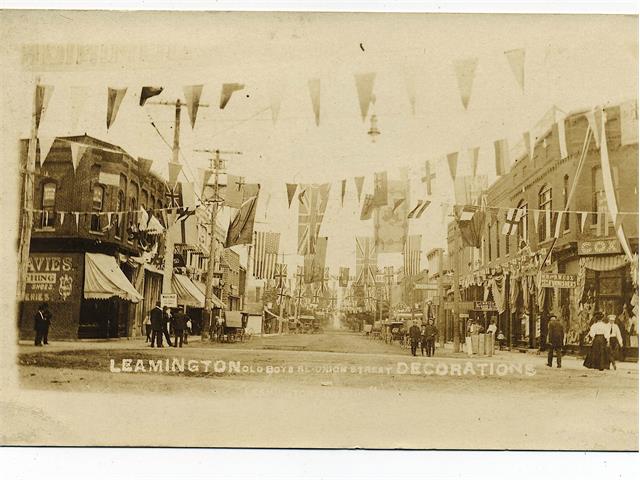
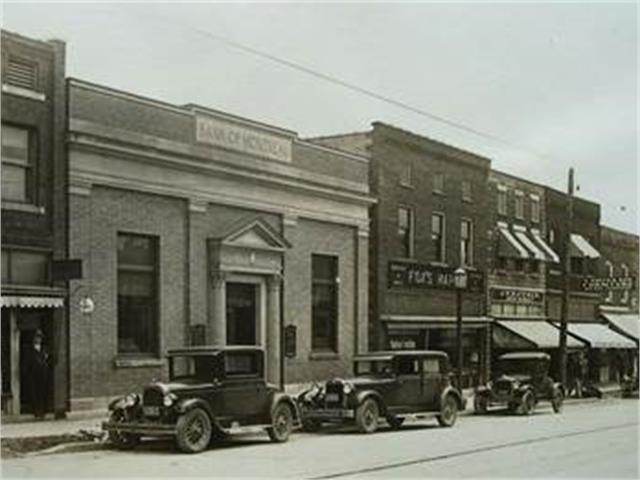
| 1883 | A major fire on May 14 destroyed most of the village’s business district. Wigle’s store and the Deming Hotel survived, and the community rebuilt. |
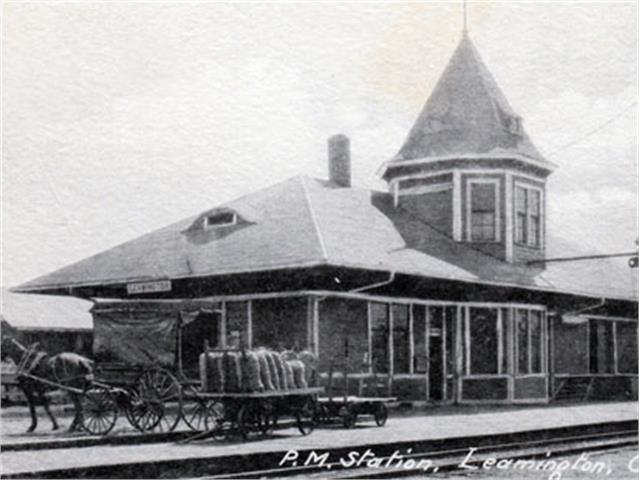
| 1887–1891 | The railway arrived in 1887, an electric light plant was established in 1888, and waterworks began operating in 1891. Natural gas and oil were also discovered in the area. |
| 1890 | Leamington became an incorporated town. |
| 1895 | A major drainage project converted approximately 5,000 acres of marshland on the eastern side of Point Pelee into farmland. |
| 1899–1908 | Council introduced incentives to attract manufacturers. In 1908, the H.J. Heinz Company established operations in Leamington, supporting the community’s economic growth. |
| 1999 | Leamington and Mersea Township amalgamated to form the Municipality of Leamington. |
Leamington Today
| Feature | Overview |
|---|---|
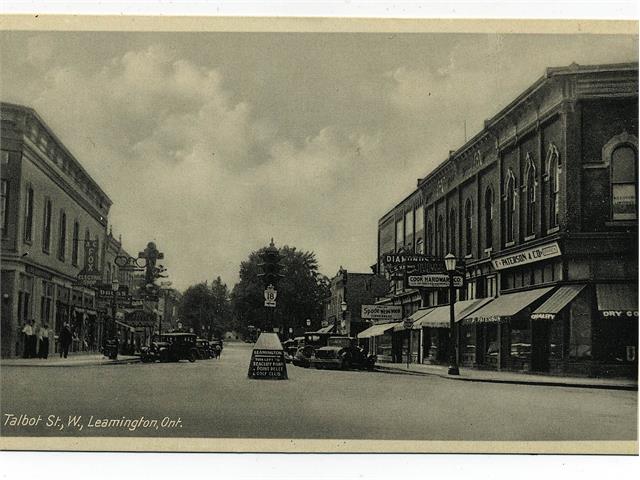
| Shopping and dining | Leamington offers independent shops and businesses in its uptown, along with national retailers, restaurants and services throughout the community. |
| Nature and wildlife | Point Pelee National Park, Hillman Marsh, Kopegaron Woods and nearby Pelee Island attract birdwatchers and nature enthusiasts. The area’s Carolinian habitats support a diverse range of plants and wildlife. |
| Agriculture and greenhouses | Known as the “Tomato Capital of Canada,” Leamington has a strong agricultural sector producing crops for fresh markets and processing. Greenhouse crops include tomatoes, cucumbers, peppers and flowers. |
| Migrant worker contributions | Migrant workers play an important role in local agriculture. The Migrant Worker Community Program provides social, cultural, recreational and communication opportunities during their stay. |
| Business and industry | Manufacturing and service businesses complement the agricultural sector. Economic development support helps businesses explore properties, connect with local contacts and establish operations. |
| Recreation and tourism | Visitors can enjoy parks, the marina, natural areas and the surrounding countryside, along with local shopping, dining and community activities. |
Sign up for our eNews updates!
Subscribe to receive our municipal media releases, public notices, and council matters.